



FGM is a Reality in the U.S.
FGM is illegal in the United States but it still takes place
30,956 girls in the U.S. are likely at risk of FGM.
384,714 women and girls in the U.S. are likely living with FGM.
In 2017, the FBI arrested a doctor in Michigan for allegedly cutting up to 100 girls.
Nearly 1,500 girls are estimated to be at risk in the 9 states (+ the District of Columbia) that do not have state legislation against the practice.
Groundbreaking New Study Reveals Extent of and Migration Impact on Female Genital Mutilation/Cutting (FGM/C) in the U.S.
Written by data and FGM/C expert Sean Callaghan, this study breaks new ground in understanding the prevalence, distribution, and impact of FGM/C in the U.S.
This is an invaluable resource for frontline professionals likely to encounter FGM/C cases, community leaders, legislators, and all others dedicated to ending this abusive practice.
For professionals working to address FGM/C in the U.S.:
Not published within the report pages or elsewhere are much more granular maps that can show the specific locations of schools, medical facilities, community centers, and more within areas of practicing communities. Please contact us at [email protected] if this information would be useful to your work.
October 3, 2023

Published 10/3/2023 Raha Europ was born to Somalian parents in a Kenyan refugee camp, where she lived until […]
November 7, 2022
Published 11/7/2022 Growing up in Chad, Ngoltoingar Chantal Bayor had a happy childhood—until the day she was forced […]
June 7, 2022
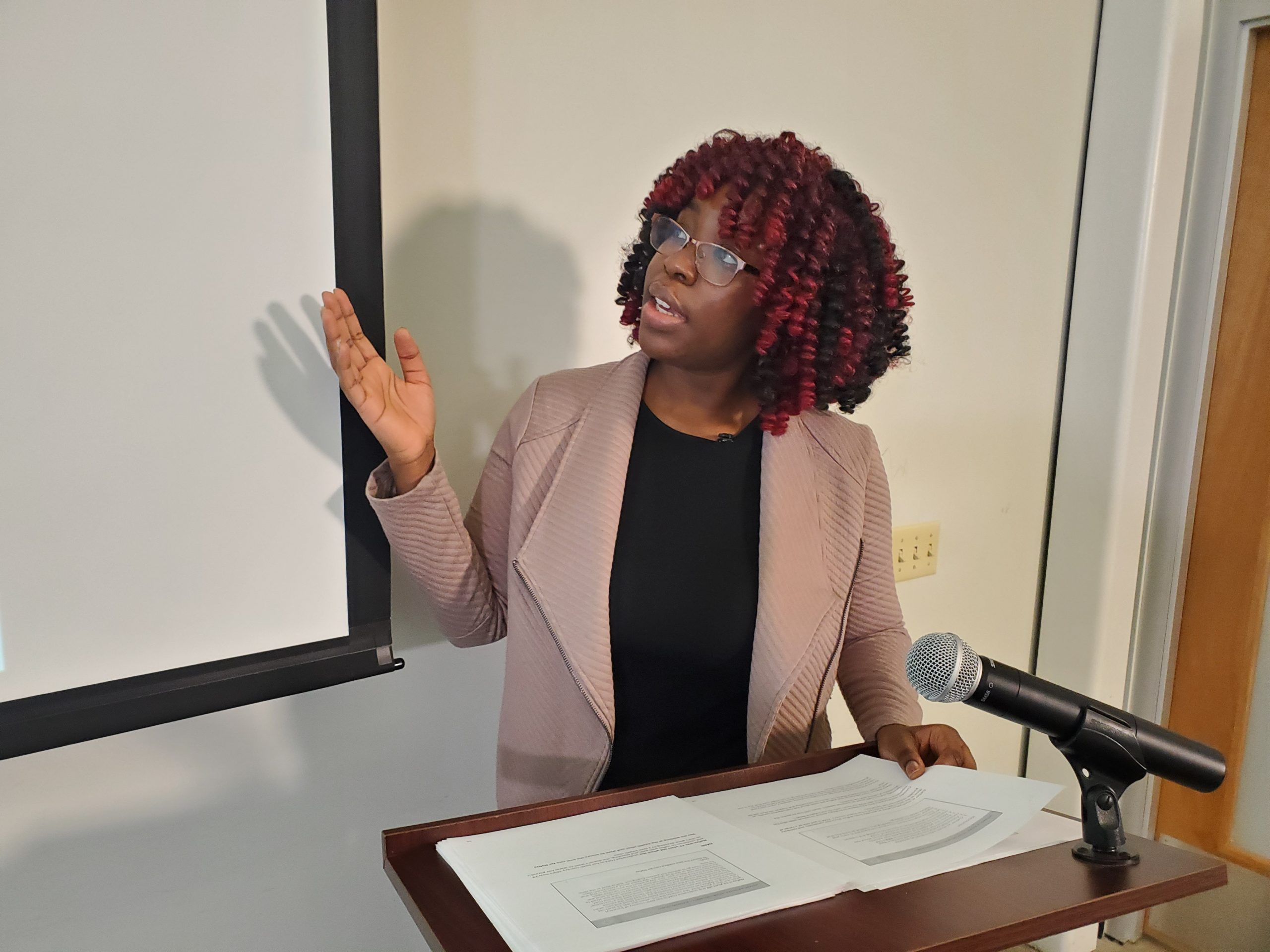
Published 6/7/2022 Last year, we shared with you that AHA Foundation had won a 3-year federal grant from […]
May 30, 2022
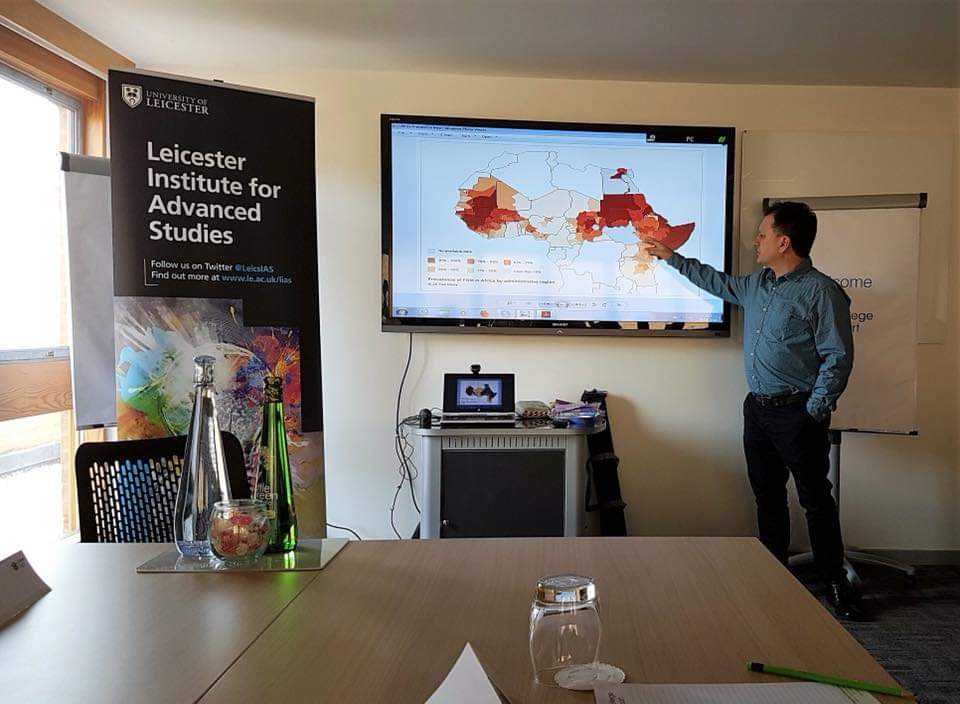
Published 6/7/2022 Sean Callaghan is pursuing a PhD at the University of Leicester in the U.K. His research, […]
April 27, 2022

Filmmaker Emanuela Zuccalà on her new documentary about FGM in Liberia: “I find it absurd that even today […]
February 22, 2022

Published 03/02/2022 This year marks the 15th anniversary of Ayaan Hirsi Ali founding AHA Foundation. Since the very […]
January 27, 2022

Published 2/3/2022 A major part of our work at AHA Foundation is to end female genital mutilation (FGM) […]
January 24, 2022
Published 2/3/2022 A major part of our work at AHA Foundation is to end female genital mutilation (FGM) […]
December 7, 2021
Published 12/07/2021 Sahara Ash grew up in a refugee camp in Kenya where she was forced to undergo […]
November 29, 2021
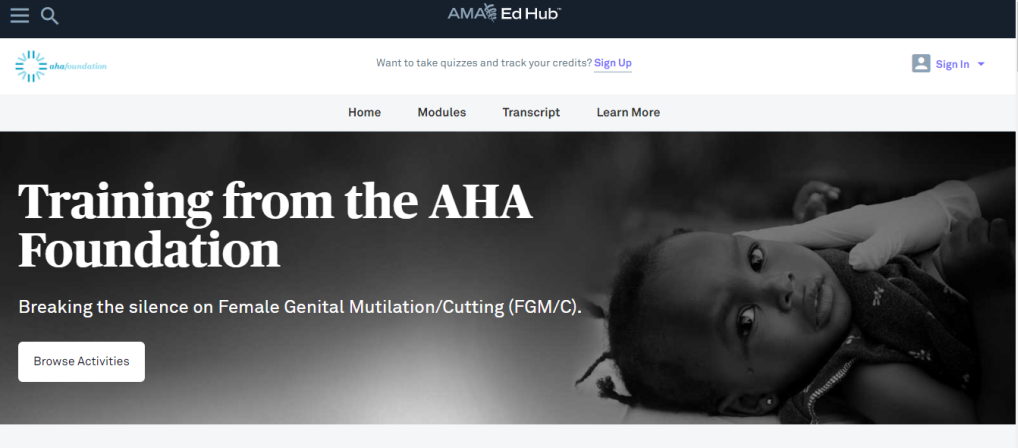
Published 12/07/2021 AHA Foundation is proud to announce that our groundbreaking online training program for combating female genital […]
October 6, 2021
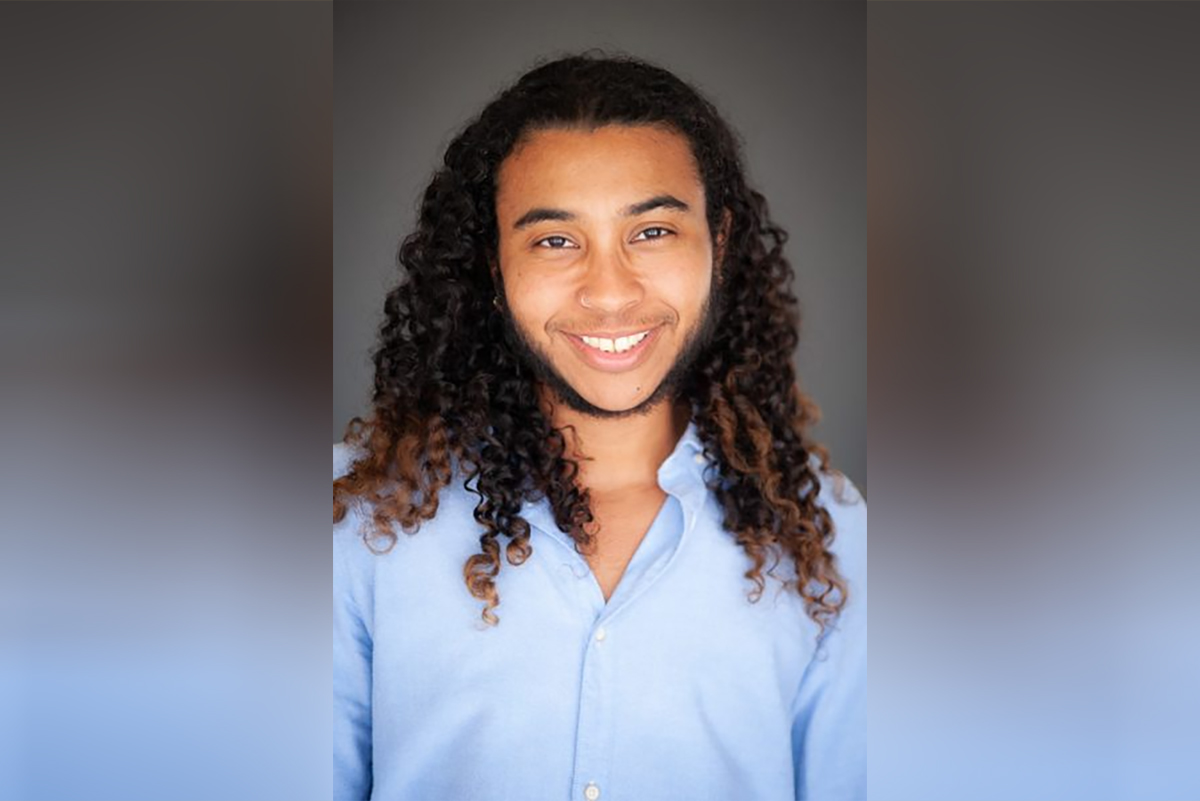
For a girl who has been surrounded her whole life by family and friends who shame and threaten her, AHA Foundation case managers working at our Helpline can be the first to offer support. These case managers’ impact on the lives of at-risk girls is immeasurable, and few know this better than Egypt Leithman.
May 25, 2021
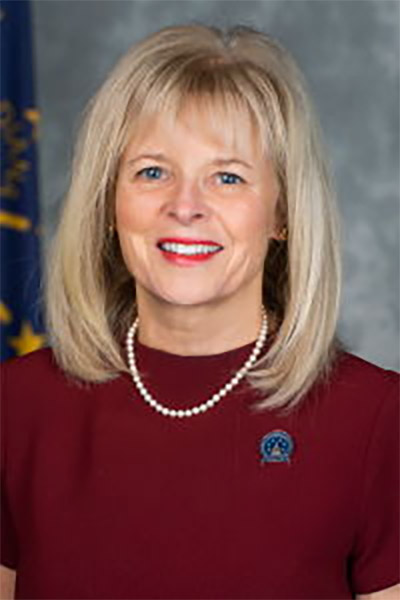
Published on 5/25/2021 In most of the states where AHA Foundation works, we see unanimous support for outlawing […]
March 24, 2021
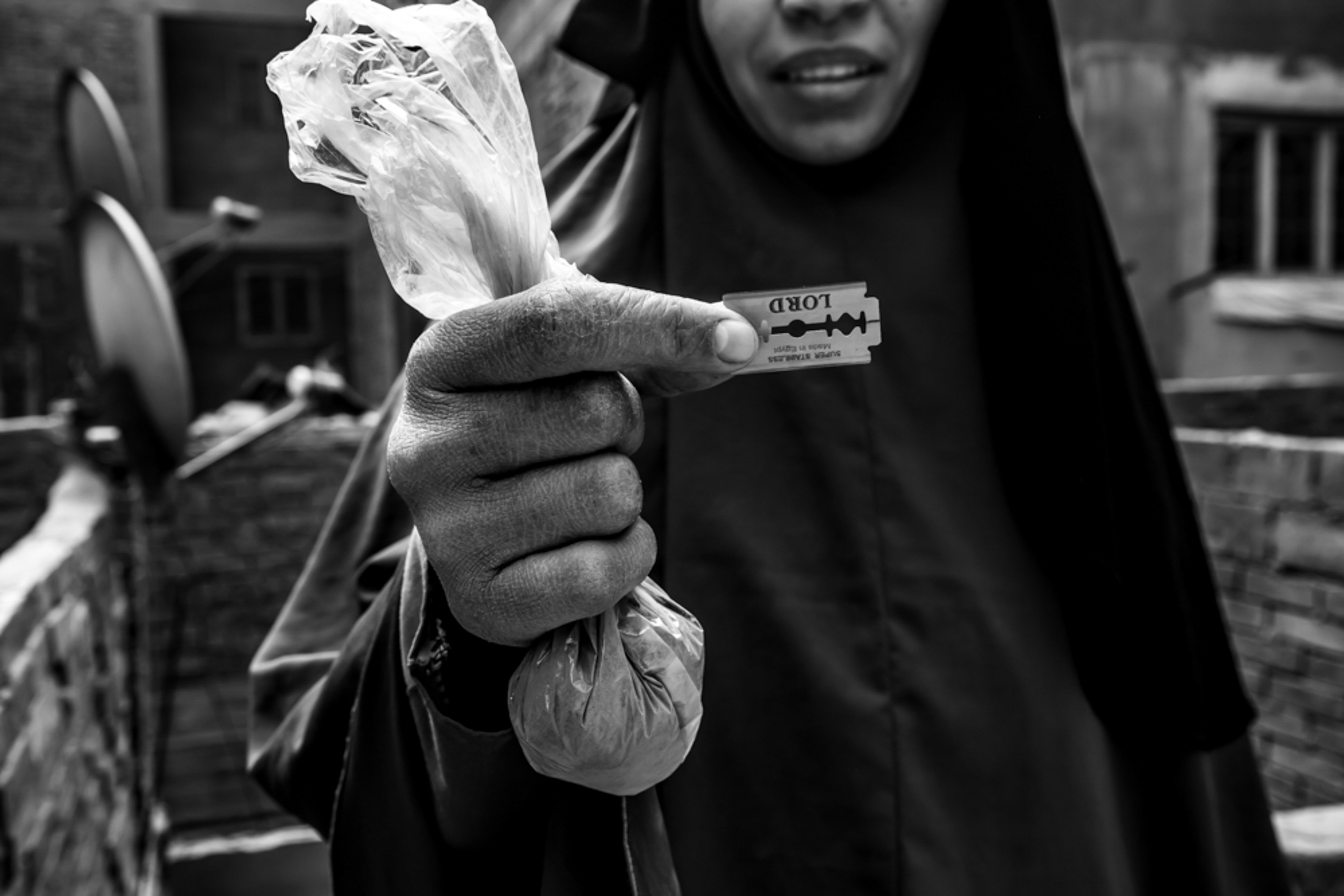
03/24/2021 Discussing female genital mutilation (FGM) and seeing visuals that depict the practice can be uncomfortable for many […]
April 21, 2020

Earlier this month, amidst the COVID-19 pandemic, legislators in Kentucky passed a comprehensive ban against female genital mutilation […]
November 18, 2019
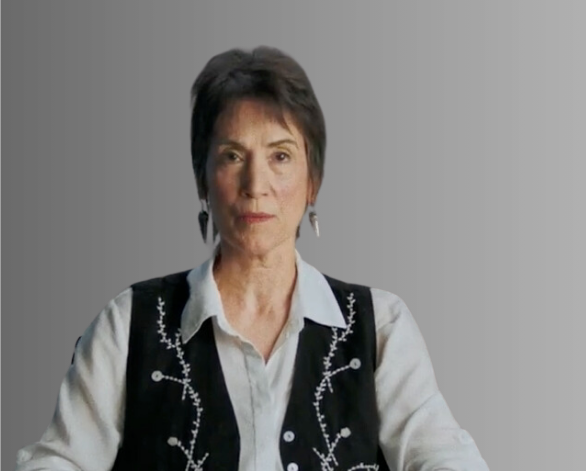
Joanna Vergoth Helps Survivors Deal With the Psychological Consequences of Female Genital Mutilation
Joanna Vergoth is a licensed psychotherapist specializing in trauma. For the last 20 years she has dedicated herself […]